Understanding Autism Support for Adults in Burlington
In recent years, the conversation around autism support for adults has gained significant momentum, particularly in communities like Burlington. Addressing the needs of adults on the autism spectrum is crucial not only for their individual development but also for fostering a more inclusive society. Effective autism support encompasses a variety of programs and strategies tailored to address the diverse challenges faced by adults. When exploring options, autism support for adults Burlington provides comprehensive insights that can empower families and individuals alike.
Defining Autism Support: Key Concepts and Objectives
Autism support for adults involves a multi-faceted approach that includes enhancing life skills, promoting independence, and addressing social and emotional needs. The objectives of such support systems should align with the individual’s personal goals, recognizing that each person with autism has a unique experience and set of challenges. These objectives may include:
- Improving communication skills
- Enhancing social interactions
- Developing vocational skills
- Fostering emotional well-being
By understanding these key concepts, practitioners can create more effective strategies that genuinely respond to the needs of adults on the autism spectrum.
The Importance of Autism Support for Adult Development
The development journey does not cease once individuals with autism reach adulthood; rather, it continues to evolve. Providing robust support systems is pivotal in assisting these adults to navigate societal challenges, job markets, and interpersonal relationships. Support services play a significant role in:
- Facilitating transition from educational settings to independent living
- Encouraging lifelong learning and personal growth
- Building a supportive community network
The implications of effective autism support are profound, influencing not only individual lives but also the fabric of the community as a whole. When adults with autism thrive, entire communities benefit from the diversity and unique perspectives they bring.
Current Landscape of Autism Support Services in Burlington
Burlington is home to various organizations and resources dedicated to supporting adults with autism. Services range from vocational training initiatives to social skills groups, focusing on empowering individuals to achieve their personal and professional goals. Mapping out current offerings reveals a blend of traditional approaches and innovative strategies tailored to meet the growing needs of the adult autism population.
Among the key service providers are local non-profits, community organizations, and specialized clinics that offer comprehensive programming. These services often include:
- One-on-one counseling
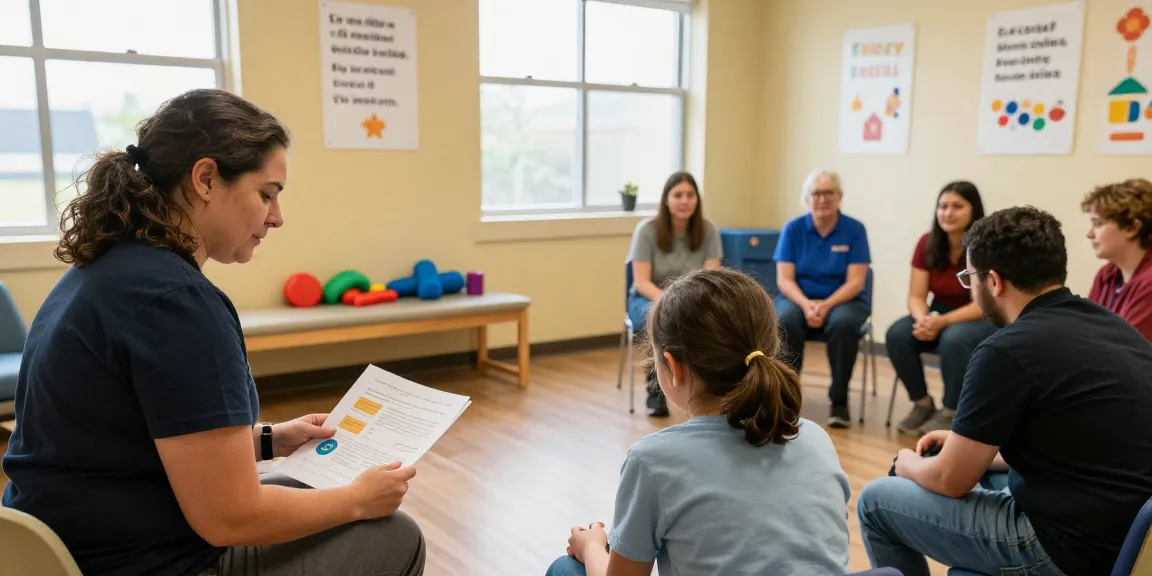
- Group therapy and support sessions
- Workshops focused on life skills and independence
Understanding the available resources and how to access them is essential for families looking to support their loved ones effectively.
Challenges Faced by Adults on the Autism Spectrum
Common Misconceptions About Autism in Adulthood
One of the significant barriers to effective support is the prevalence of misconceptions surrounding autism in adults. Many people assume that autism is solely a childhood diagnosis, overlooking the ongoing challenges individuals face as they transition into adulthood. Such misconceptions can lead to a lack of appropriate services and understanding, leaving adults on the spectrum vulnerable to isolation and unmet needs.
Barriers to Accessing Effective Support Services
Access to autism support services is often hindered by several barriers, including:
- Limited availability of programs specifically designed for adults
- Funding constraints that restrict access to needed services
- Lack of awareness and information about existing resources
It is crucial for families and advocates to address these barriers through advocacy, education, and collaboration with local services to ensure that adults with autism can access the support they need.
Addressing Emotional and Social Needs
Beyond practical skills, emotional and social support are vital components of a holistic autism support strategy. Many adults with autism struggle with anxiety, depression, and difficulties in social situations. Effective support should incorporate counseling services, peer support groups, and community engagement opportunities that foster relationships and reduce isolation.
Effective Strategies for Autism Support in Burlington
Individualized Programs: Tailoring Support to Each Adult
One of the most effective strategies for autism support is the development of individualized programs. Each adult with autism has unique strengths, challenges, and goals—customizing support plans to reflect these individual characteristics can significantly enhance their outcomes. This personalized approach may include:
- Goal-setting that aligns with personal aspirations
- Customized learning materials and resources
- Regular assessments to adjust strategies as needed
By building support around the individual, programs can achieve better long-term results and foster a greater sense of agency in participants.
Incorporating Life Skills and Vocational Training
Robust programs should prioritize life skills and vocational training, enabling adults with autism to achieve greater independence. Essential skills might include:
- Financial literacy and budgeting
- Job readiness and interview preparation
- Daily living skills, such as cooking and hygiene
Vocational training can also connect participants with local businesses that appreciate diversity and inclusion, helping them translate skills into meaningful employment opportunities.
Utilizing Technology for Enhanced Communication and Learning
Advancements in technology can significantly enhance the quality of autism support services. Assistive technologies, such as communication apps and interactive learning platforms, can empower adults with autism to express themselves more effectively and learn at their own pace. These tools can complement traditional support methods, increasing engagement and retention of skills.
Success Stories: Transformative Outcomes in Autism Support
Real-Life Examples of Successful Adult Interventions
Success stories serve as powerful testimonials to the impact of effective autism support. For instance, many adults who have participated in tailored job training programs have secured fulfilling employment. By focusing on the strengths and interests of individuals, these stories illustrate the transformative potential of personalized support.
Key Metrics for Measuring Success in Support Programs
Measuring the effectiveness of autism support programs is crucial for continuous improvement. Key metrics might include:
- Job placement rates and employment retention
- Improvement in social skills and communication
- Increased independence and self-efficacy
By tracking these outcomes, service providers can refine their approaches and demonstrate the value of their programs to stakeholders.
Parent and Participant Testimonials: Voices of Experience
Firsthand accounts from parents and participants can provide valuable insights into the effectiveness of autism support services. Positive testimonials often highlight the impact of individualized attention, successful transitions to independence, and the overall improvement in quality of life.
Future Trends and Innovations in Autism Support
Emerging Approaches to Autism Support for Adults
The landscape of autism support is evolving, with emerging strategies that promise to enhance the lives of adults with autism. These may include:
- Holistic wellness approaches that address both mental and physical health
- Increased emphasis on community-based support systems
- Integration of virtual reality and gamification in training and therapy
Remaining informed about these trends can help families and service providers stay at the forefront of effective autism support.
Predictions for the Evolution of Services by 2026
As we look to the future, there are several predictions regarding the evolution of autism support services by 2026. Increased funding and public awareness are expected to drive the development of more inclusive programs. Furthermore, technological advancements will likely create new opportunities for remote support and online learning, making services more accessible to those who may face geographical or physical barriers.
Community Engagement and Awareness Initiatives
Engaging the broader community is essential in creating an inclusive environment for adults with autism. Awareness campaigns, educational workshops, and community events can play significant roles in fostering understanding and support. By promoting dialogue and collaboration between various stakeholders, communities can work collectively toward a brighter future for all individuals on the autism spectrum.
Additional Resources and Advocacy
What resources are available for autism support in Burlington?
Burlington offers numerous resources for autism support, including local therapy centers, support groups, and educational workshops. Organizations focusing on adult autism also provide tools and contacts to help families navigate the available services, ensuring that individuals receive the necessary assistance.
How can families advocate for better autism support services?
Families can play a significant role in advocating for better autism support services by:
- Engaging with local policymakers and service providers
- Joining parent advocacy groups and networks
- Raising awareness in the community about autism-related issues
Unified advocacy efforts can lead to systematic changes that benefit all individuals with autism.
What role does technology play in autism support for adults?
Technology can enhance communication, learning, and social engagement for adults with autism. Tools such as mobile applications, online training programs, and telehealth services can provide flexibility and accessibility, enabling participants to receive support on their own terms.
What training is available for caregivers supporting adults with autism?
Caregivers play an integral role in the support system for adults with autism. Training sessions, workshops, and resources focus on effective communication techniques, behavior management strategies, and self-care for caregivers themselves. Equipping caregivers with the right tools enhances their ability to provide high-quality support.
How can adults with autism find peer support and community?
Finding peer support is critical for adults with autism, as it provides opportunities for social interaction and shared experiences. Local organizations, online forums, and support groups can serve as platforms for individuals to connect, share insights, and foster friendships.