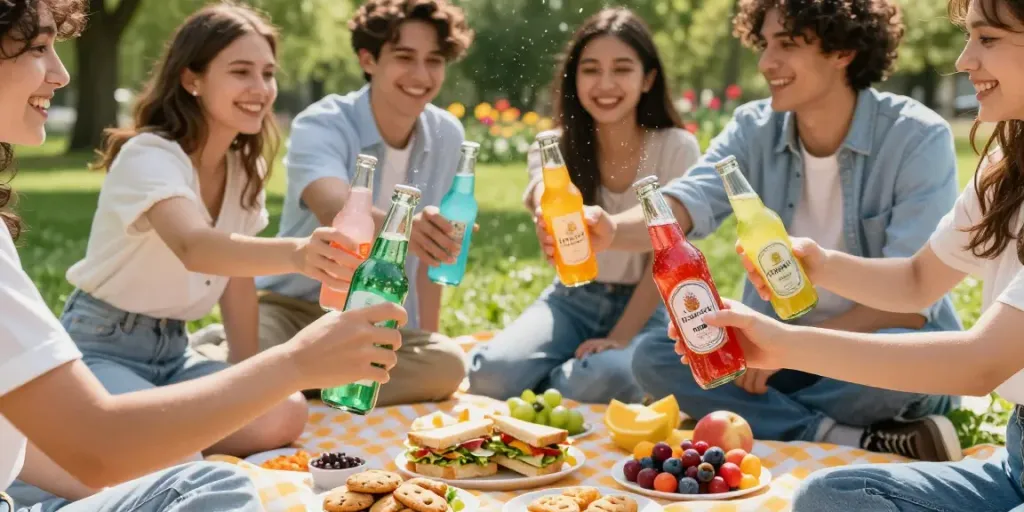
Understanding Craft Soda: What Makes It Unique?
Craft soda has emerged as a delightful alternative to mainstream soft drinks, capturing the hearts and taste buds of consumers with its unique flavors and artisanal values. Unlike traditional sodas that are mass-produced with synthetic ingredients, craft sodas prioritize quality, using natural ingredients and small-batch production to create distinctive flavors that resonate with today's conscientious consumers. For those interested in exploring this effervescent trend, Craft soda offers a plethora of options, ensuring that each sip reflects the passion of independent beverage artisans.
Definition and Origins of Craft Soda
Craft soda is defined as a soft drink produced in small quantities, often emphasizing unique flavors and high-quality ingredients. The term 'craft' highlights the artisanal approach to production, paralleling the craft beer movement. This segment of the beverage industry gained traction in the early 2000s, when a growing number of consumers began seeking alternatives to the sugary and chemically-laden soft drinks that dominated the market. Many craft soda producers draw inspiration from vintage recipes and local ingredients, nurturing a connection between their products and the communities they serve.
The Difference Between Craft Soda and Regular Soft Drinks
While traditional soft drinks rely heavily on artificial flavors, high fructose corn syrup, and preservatives, craft sodas distinguish themselves by using natural sweeteners, real fruit juices, and other wholesome ingredients. This commitment to quality not only enhances the taste but also appeals to health-conscious consumers who prefer beverages without artificial additives. Additionally, craft sodas often come in unique flavor combinations, encouraging experimentation and creativity in beverage choices.
Popular Ingredients in Craft Sodas
Craft sodas often incorporate an array of interesting ingredients, setting them apart from their mass-produced counterparts. Common components include:
- Real Fruit Juices: Sourced from local farms, these juices provide authentic flavor profiles.
- Natural Sweeteners: Ingredients like cane sugar, honey, and agave syrup replace artificial sweeteners.
- Spices and Herbs: Unique herbal infusions skew traditional flavor boundaries, introducing intriguing profiles.
- Botanicals: Ingredients such as lavender, rosemary, and chamomile are used for complex flavor dimensionality.
Exploring Various Craft Soda Flavors
The diversity of craft soda flavors is one of its most appealing aspects, with regional breweries and small producers bringing unique tastes to market. This section delves into popular flavors as well as innovative pairings that enhance the craft soda experience.
Top Trending Craft Soda Flavors in 2026
As consumer preferences continue to evolve, craft soda flavors adapt to incorporate trending tastes and seasonal ingredients. Some of the most popular flavors in 2026 include:
- Cucumber Mint: This refreshing combination offers a cool beverage perfect for hot summer days.
- Lavender Lemonade: A floral twist on the classic lemonade, balancing sweetness with an aromatic touch.
- Spicy Ginger: Infused with real ginger and cayenne, this flavor caters to those seeking a spicy kick.
- Blackberry Sage: A unique blend that marries the sweetness of blackberries with the earthiness of sage.
How to Pair Craft Soda with Food
Pairing craft sodas with food can elevate the dining experience, enriching both the meal and the drink. Here are some practical tips for pairing:
- Spicy Foods: Choose sodas with a citrus or ginger base to complement spicy dishes.
- Grilled Meats: Fruity sodas can enhance the smoky flavors of grilled meats, providing a refreshing contrast.
- Cheeses: Creamy cheeses pair well with herbal sodas, while sharp cheeses benefit from fruity or spicy options.
- Desserts: Mix sweet desserts with lightly flavored sodas to maintain balance without overwhelming the palate.
Innovative Flavor Combinations to Try
The creative realm of craft soda allows for endless flavor experimentation. Here are some innovative combinations that you might not have considered:
- Peach Basil: Juicy peaches paired with fresh basil create a refreshing soda perfect for summer.
- Pineapple Jalapeño: Tropical pineapple mixed with spicy jalapeño offers a balance of sweet and heat.
- Rosemary Grapefruit: This herbaceous twist on grapefruit soda brings complex flavors to brunches.
- Cherry Vanilla Lavender: A sweet and aromatic blend that enhances any dessert or special occasion.
Health and Wellness Aspects of Craft Soda
As craft soda gains popularity, many consumers are keen on understanding its health implications. This section examines the wellness aspects and how craft sodas fit into modern health trends.
Are Craft Sodas Healthier Alternative Options?
Craft sodas can often be perceived as healthier alternatives to standard soft drinks due to their use of natural ingredients and reduced levels of artificial additives. However, it's essential for consumers to check labels as sugar content can still be significant in some craft sodas. By opting for brands that emphasize lower sugar and fewer ingredients, consumers can enjoy sodas while aligning with healthier lifestyle choices.
Understanding Ingredients: Natural vs. Artificial
The distinction between natural and artificial ingredients fundamentally influences consumers' health decisions. Ingredients commonly found in craft sodas, such as:
- Real Fruit Extracts: Offer vitamins and antioxidants.
- Organic Sweeteners: Provide sweetness and are generally perceived as better options than refined sugars.
- Coloring Agents: Typically derived from natural sources, unlike synthetic dyes found in mainstream sodas.
Choosing craft sodas with recognizably wholesome components can significantly impact well-being.
How Craft Soda Fits into Modern Health Trends
As the demand for healthier beverages grows, craft soda manufacturers are adapting by developing drinks that meet health-conscious consumers' needs. Current health trends influencing the craft soda market include:
- Low-Calorie Options: Brands are introducing sodas with fewer calories without sacrificing flavor.
- Functional Ingredients: Some craft sodas incorporate probiotics, vitamins, and other functional ingredients for added health benefits.
- Sustainable Practices: Producers are increasingly focusing on environmentally friendly production methods and packaging.
DIY Craft Soda: Making Your Own at Home
For enthusiasts who relish the idea of personalization, crafting soda at home is a rewarding endeavor that allows for flavor experimentation and creativity.
Essential Tools and Ingredients for Craft Soda Making
To embark on your home craft soda journey, gather the following essential tools and ingredients:
- Carbonation System: A home carbonation machine is recommended for creating your fizzy base.
- Sugar or Sweeteners: Choose your preferred sweetener, such as cane sugar, honey, or stevia.
- Flavoring Agents: Fresh fruits, herbs, and spices for unique flavor creations.
- Water: Filtered water helps develop the purest flavor in your soda.
Step-by-Step Guide to Creating Your Signature Soda
Follow these steps to create your own craft soda masterpiece:
- Carbonate the Water: Use your carbonation machine to carbonate the filtered water.
- Prepare the Flavor Base: Combine your chosen fruits, herbs, and sweeteners in a saucepan. Add water and heat until combined.
- Strain the Mixture: Once cooled, strain the mixture to remove solids.
- Mix and Carbonate: Combine the flavor base with the carbonated water until your desired flavor is achieved.
- Bottle and Chill: Bottle your creation, allow it to chill, and enjoy!
Common Mistakes to Avoid When Brewing at Home
While making craft soda at home can be fun, here are some common mistakes to avoid:
- Overcarbonating: Adding too much carbonation can lead to excessively fizzy and unpalatable beverages.
- Using Low-Quality Ingredients: Always opt for fresh, organic ingredients to ensure the best flavor.
- Not Adjusting Sweetness: Taste your mixture before bottling to ensure the sweetness is to your liking; adjust as necessary.
The Future of Craft Soda: Trends to Watch
As craft soda continues to grow in popularity, it is essential to stay abreast of emerging trends and innovations in the industry. Here, we explore what the future holds for this captivating beverage segment.
Emerging Brands and Innovations in the Craft Soda Industry
New brands are consistently entering the craft soda market, bringing inventive flavors and unique production techniques. Many of these brands focus on sustainability and local sourcing, ensuring their impact on communities and environments is positive. Innovations in flavor profiles, such as collaborations with local breweries or distilleries, are also reshaping the landscape, allowing for exciting crossovers.
Predictions for Consumer Preferences by 2026
Looking ahead, consumer preferences will likely shift toward:
- Transparency: Consumers are increasingly demanding transparency regarding ingredient sourcing and production processes.
- Health-Conscious Choices: Continued growth in demand for low-sugar and functional beverages.
- Customizable Options: Tailoring flavors to individual preferences will lead to more personalized beverage experiences.
How Sustainability is Impacting Craft Soda Production
Sustainability has become a crucial aspect of the craft soda production narrative. Many brands are adopting eco-friendly practices such as:
- Using Sustainable Packaging: Transitioning to recyclable or biodegradable materials for bottles and labels.
- Emphasizing Local Ingredients: Supporting local farmers reduces carbon footprints and fosters community support.
- Renovating Production Processes: Streamlining operations to minimize waste and energy consumption.
As these trends continue to evolve, the craft soda industry is poised for exciting growth.